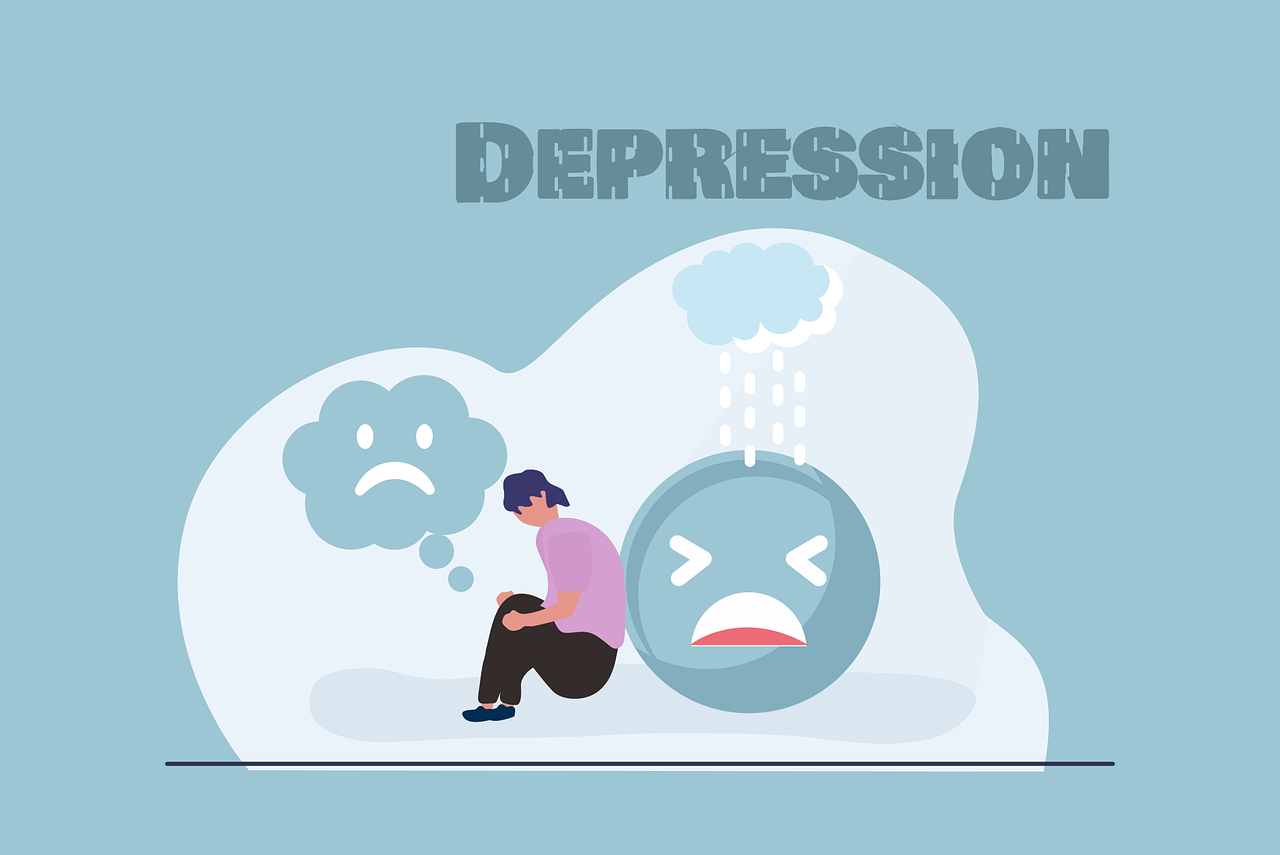
Mental health awareness matters because so many people are carrying pain they do not know how to talk about. Some people are grieving. Some are overwhelmed. Some are quietly struggling while still showing up for work, school, family, and daily life.
From the outside, they may seem fine. Inside, they may feel exhausted, disconnected, or afraid to tell the truth about what they are experiencing.
That is why awareness still matters.
Mental health awareness is not only about sharing facts or posting during a certain month of the year. It is about creating a culture where people feel safe enough to say, “I am having a hard time,” without fear of being judged, dismissed, or treated differently.
For Shatter Our Silence, this work is personal. As a mental health awareness nonprofit, our mission is to help people speak honestly about struggle so no one has to suffer in silence.
Mental Health Awareness Helps People Feel Seen
One of the hardest parts of emotional struggle is feeling like no one else understands.
A person may be grieving a loss that others have moved on from. Someone may be dealing with anxiety, depression, stress, loneliness, or a painful life change. Others may be trying to support a friend or family member but feel unsure of what to say.
Mental health awareness reminds people that struggle is part of being human. It does not make someone weak. It does not mean they are broken. It means they are carrying something heavy and deserve care, support, and understanding.
When people see mental health talked about honestly, it can create a small but meaningful shift. They may feel less ashamed. They may feel more willing to reach out. They may realize that their pain does not have to stay hidden.
That does not fix everything. But it can be the beginning of connection.
Mental Health Stigma Still Keeps People Silent
Even though more people are talking about mental health today, mental health stigma still exists.
Many people still worry about being judged if they admit they are struggling. They may fear being seen as dramatic, weak, unstable, or difficult. Some have been taught to keep their pain private. Others have opened up before and were met with silence, quick advice, or comments that made them regret saying anything at all.
This is why stigma is so harmful. It affects whether people feel safe enough to ask for help.
Mental health stigma can sound like:
“You just need to be stronger.”
“Other people have it worse.”
“You should be over this by now.”
“Just stay positive.”
These words may not always be meant to hurt, but they can make someone feel more alone. They can teach people to hide their pain instead of sharing it.
Breaking stigma starts with how we listen, how we speak, and how we respond when someone tells the truth.
Awareness Is More Than Information
Information matters. It is important to understand mental health, grief, emotional stress, and the different ways people cope.
But real awareness goes deeper than information.
Real awareness changes how we treat people.
It helps us notice when someone has pulled away, gone quiet, or seems different than usual. It reminds us to check in without needing a perfect reason. It helps us understand that a simple, honest conversation can matter more than we realize.
Awareness does not mean pretending we have all the answers. Most of us do not. It means being willing to care, listen, and stay present.
Sometimes emotional support sounds like:
“I am really sorry you are going through this.”
“I do not know exactly what to say, but I am here.”
“You do not have to explain everything right now.”
“Do you want advice, or do you just want someone to listen?”
“Can I check in on you again tomorrow?”
These words are simple. But they are human. And sometimes that is what someone needs most.
Honest Conversations Can Reduce Isolation
A lot of people suffer quietly because they think their struggle will make others uncomfortable.
They may not want to burden anyone. They may not know how to explain what they feel. They may assume no one has time to listen. Over time, that silence can become heavy.
Honest conversations can interrupt that isolation.
When someone hears another person speak openly about grief, anxiety, depression, stress, loss, or emotional pain, it can make room for their own honesty. It can help them think, “Maybe I do not have to hide this.”
That is one reason storytelling is so powerful. Stories give people language for what they are feeling. They remind us that pain often lives behind ordinary faces, normal routines, and quiet smiles.
At Shatter Our Silence, we believe conversations can create connection. They can help people feel less alone. They can also help families, schools, workplaces, churches, teams, and communities become safer places for people who are struggling.
You Do Not Have to Be an Expert to Help
Mental health awareness is not only for people who are personally struggling. It is also for the people who love them.
Many friends, parents, spouses, coaches, teachers, coworkers, and community members want to help but feel unsure. They worry about saying the wrong thing. They may avoid the conversation because they do not know where to begin.
But support does not require perfect words. It does not require being a counselor. It does not mean taking responsibility for someone else’s pain.
Support can begin with presence.
Listen more than you speak. Ask simple questions. Avoid rushing to fix the problem. Do not minimize what they are feeling. Stay connected after the first conversation.
People often remember who stayed close when life was hard.
How You Can Help Promote Mental Health Awareness
You can help promote mental health awareness in simple, meaningful ways.
Check in on someone you care about. Share a mental health message that feels honest and helpful. Talk about grief without rushing people through it. Be careful with your words when someone opens up. Support organizations that are working to reduce mental health stigma. Attend a local event. Volunteer. Donate. Keep the conversation going.
The goal is not to force people to share before they are ready. The goal is to help create a world where people know they can speak when they need to.
That kind of awareness matters.
It matters in homes. It matters in schools. It matters in locker rooms, workplaces, churches, neighborhoods, and online spaces. It matters because people are carrying real pain, and silence should not be the only option they feel they have.
Shatter Our Silence exists to help people speak honestly about struggle so no one has to suffer in silence.
If this message matters to you, share this blog with someone who may need it. Start a conversation. Support the mission. Volunteer, donate, or reach out to learn how you can help bring more honesty, hope, and connection into your community.
If you or someone you know needs immediate mental health support in the United States, call or text 988 for the Suicide and Crisis Lifeline.
FAQ Section
Why is mental health awareness important?
Mental health awareness is important because it helps people talk more openly about emotional struggle, grief, stress, and mental health challenges. It can reduce shame and help people feel safer reaching out for support.
How does mental health awareness reduce stigma?
Mental health awareness reduces stigma by changing the way people speak about struggle. When communities use more honest and compassionate language, people are less likely to feel judged or alone.
What can I do to support someone who is struggling?
You can support someone by listening, checking in, avoiding judgment, and not rushing to fix their pain. Simple emotional support, such as being present and staying connected, can make a meaningful difference.
What does a mental health awareness nonprofit do?
A mental health awareness nonprofit helps educate communities, reduce stigma, share resources, create conversations, and support people who may be struggling emotionally or grieving.
How can I support Shatter Our Silence?
You can support Shatter Our Silence by sharing the mission, attending events, volunteering, donating, starting honest conversations, and helping others know they do not have to suffer in silence.